

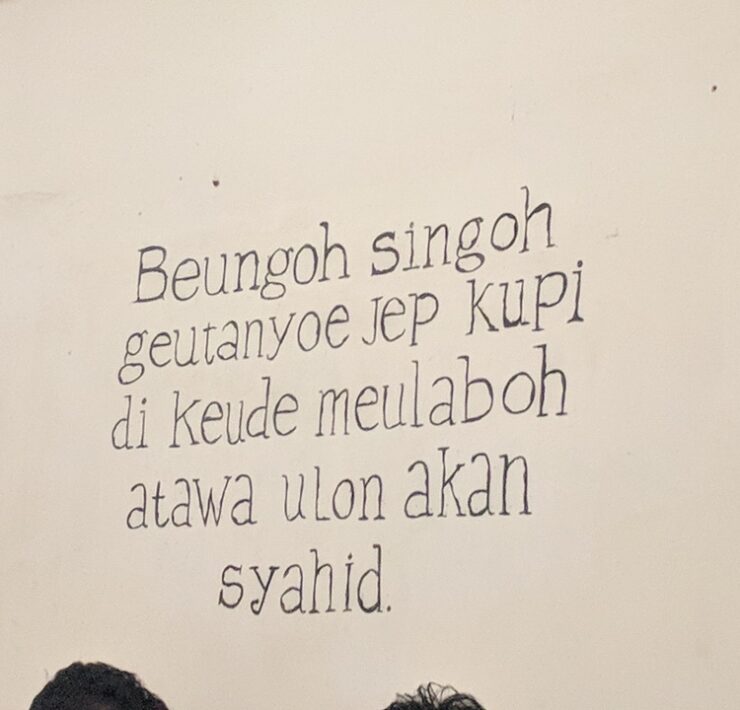
What does anthropology, burdened by its own colonial history and currently undergoing its own decolonisation, have to offer to decolonial scholarship? It is irrefutable that anthropology, for much of its history, was…

When I first left my family home, my father offered me a sentence that travelled with me more faithfully than any suitcase: Ya gharīb kūn adīb - ‘O stranger, be adīb.’ I…

The indeterminate place of the borderzone holds a radical potential to emphasise subaltern (women’s) resistances. Chicana thinkers such as Gloria Anzaldúa (1987) and José David Saldívar (1997) define the borderzone as an…
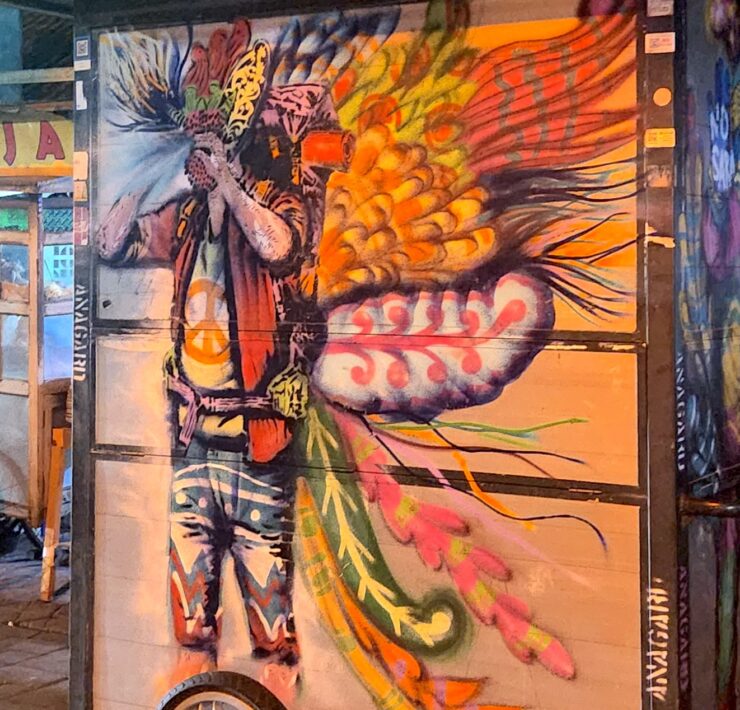
My personal and academic experiences have been shaped by movement from the Arab region, to Europe and the UK, and then to Southeast Asia. Since relocating to Singapore in 2022 I have…
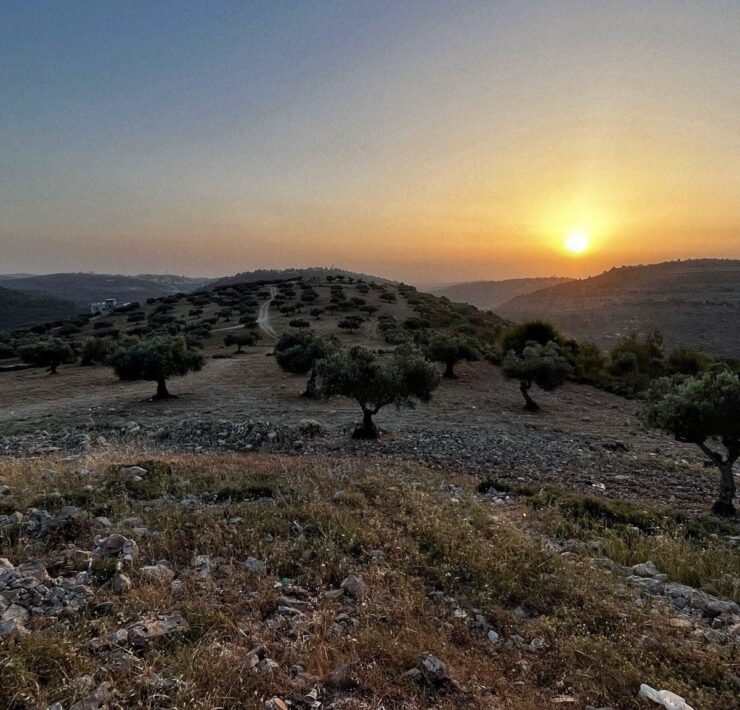
It is often easier to define and communicate the definition of a concept by what it is not. This is particularly the case for a concept that speaks to a potentiality, a…
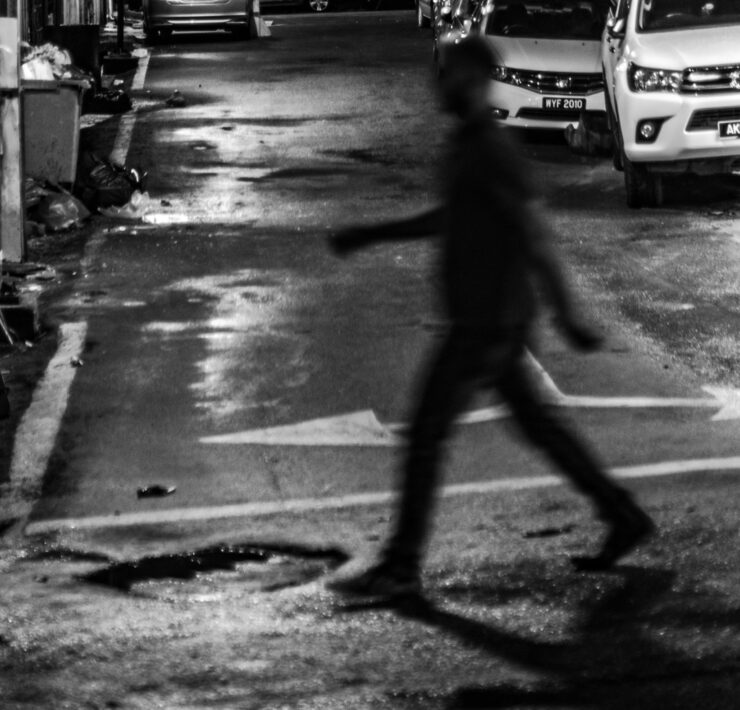
Adrienne Rich in Burning paper instead of children once said 'This is the oppressor's language yet I need it to talk to you.' As a person descended from Indian migrant parents, one…